

Diabetic Macular Edema Singapore: How Diabetes Quietly Impacts Central Vision
Diabetes can affect far more than blood sugar levels, it can quietly threaten vision if left unchecked. At our eye clinic led by Dr. David Goh, we regularly see patients who are unaware that diabetes has already begun affecting the most critical part of their vision. Diabetic Macular Edema (DME) is one of the most serious yet often overlooked diabetic eye conditions, as it may progress without obvious early symptoms. With our advanced diagnostic tools, personalised care approach, and deep research in managing diabetic eye diseases, we help patients detect changes early and receive effective treatment to protect their central vision and long-term eye health.
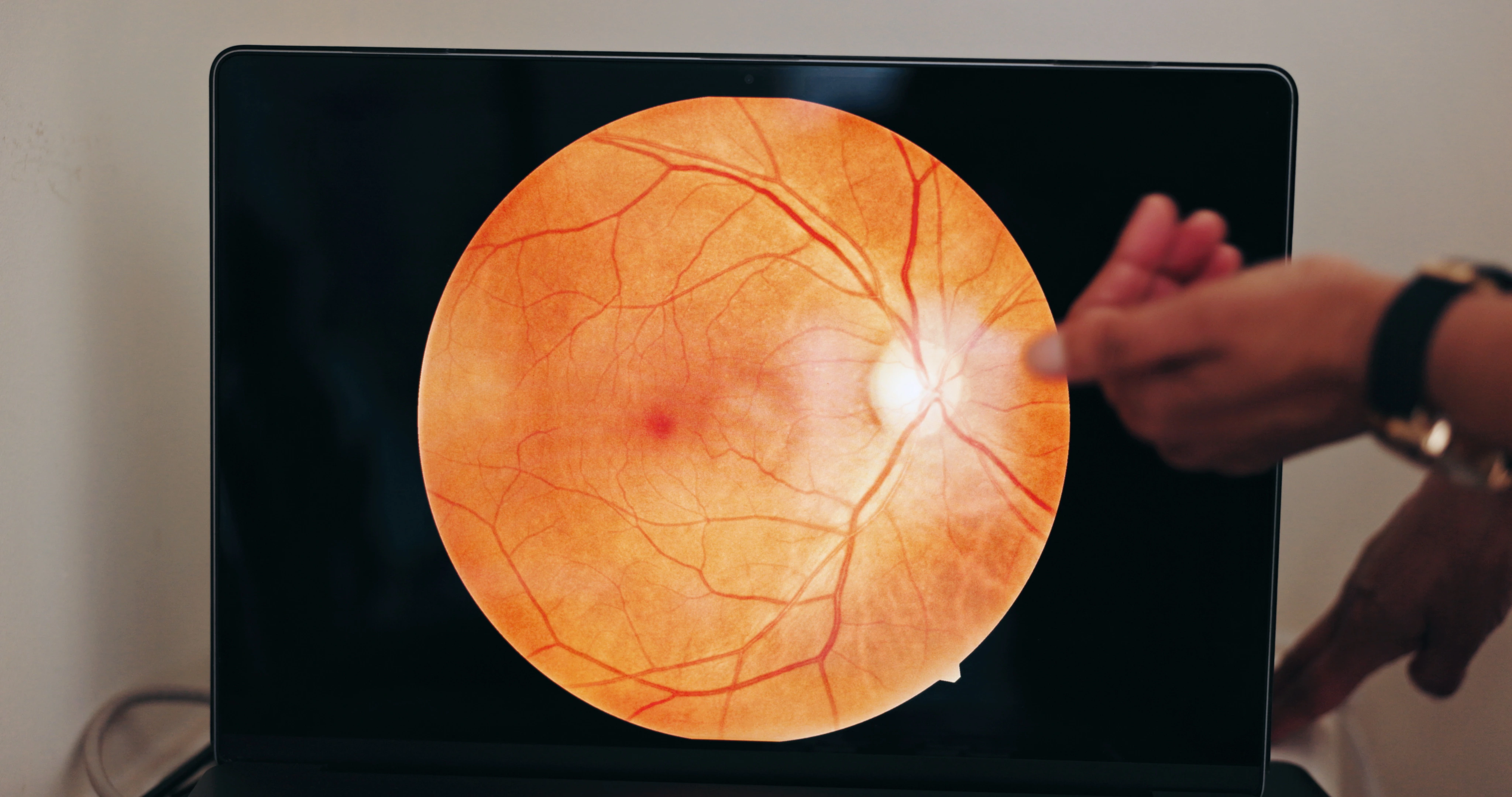
What Is Diabetic Macular Edema?
Diabetic macular edema is a condition where fluid accumulates in the macula, the central part of the retina responsible for sharp, detailed vision. The macula allows us to read, recognise faces, and perform tasks that require visual precision. When diabetes damages the small blood vessels in the retina, these vessels can leak fluid, causing swelling in the macula.
If left untreated, this swelling can cause irreversible central vision loss. Early diagnosis is a major priority at our clinic because prompt treatment of macular edema can greatly improve results.
How Diabetes Leads to Macular Damage
Persistently high blood sugar can weaken the tiny blood vessels in the retina over time. When this happens, the vessels become leaky, allowing fluid and proteins to seep into the surrounding retinal tissue. While diabetic retinopathy affects the retina as a whole, diabetic macular edema specifically damages the macula, the part of the eye responsible for sharp, central vision, making it especially serious for eyesight.
Crucially, any stage of diabetic retinopathy can result in DME. Regular eye exams are crucial for everyone with diabetes because even patients with mild retinal changes can develop macular swelling.
Common Symptoms to Watch For
DME often progresses gradually, making symptoms easy to overlook in the early stages. Some warning signs include:
- Blurred or distorted central vision
- Having trouble reading or paying attention to small details
- Colours appearing faded or washed out
- Trouble recognising faces
- Straight lines appearing wavy
At our clinic, we encourage patients not to wait for symptoms. Advanced retinal imaging allows us to detect subtle changes before vision is significantly affected.
How We Diagnose Diabetic Macular Edema
Accurate diagnosis is essential for effective macular edema treatment. We use advanced imaging technologies to assess retinal health in detail, including:
| Diagnostic Test | Dry Macular Degeneration |
| Optical Coherence Tomography (OCT) | Detects and measures macular swelling |
| Retinal Photography | Monitors blood vessel changes |
| Dilated Eye Examination | Allows detailed retinal evaluation |
These tools help us track disease progression and customise treatment plans for each patient.
Treatment Options for Diabetic Macular Edema
Modern ophthalmology offers highly effective solutions for managing diabetic macular edema, especially when treatment begins early. At our clinic, treatment plans are tailored based on severity, lifestyle needs, and overall eye health.
Common macular edema treatment options include:
- Anti-VEGF injections to reduce swelling and abnormal blood vessel growth
- Laser therapy to seal leaking blood vessels and stabilise vision
- Combination therapy for advanced or persistent cases
Our goal is not only to stabilise vision but, whenever possible, to improve visual clarity and preserve independence.
Why Early Treatment Matters

Without timely macular edema treatment, swelling can cause permanent damage to the macula. Early intervention helps:
- Prevent irreversible vision loss
- Improve treatment effectiveness
- Reduce the need for invasive procedures
- Maintain long-term visual function
We take a proactive stance at our clinic, making sure diabetic patients receive timely care and routine screenings.
The Role of Lifestyle and Medical Control
Medical treatment works when supported by good diabetes management. We work closely with patients to emphasise the importance of holistic care, including:
- Maintaining stable blood sugar levels
- Controlling blood pressure and cholesterol
- Following a balanced, nutrient-rich diet
- Avoiding smoking and excessive alcohol intake
These measures slow disease progression and support the success of diabetic macular edema treatment.
Why Patients Trust Dr. David Goh

Dr. David Goh provides diabetic eye care services in Singapore by getting internationally recognised training, He delivers high-quality care by focusing on clinical patients with cutting-edge technology, having trained in the UK and completed advanced subspeciality fellowships.
Patients choose our clinic because we offer:
- Deep research in diabetic retinal diseases
- Advanced diagnostic and treatment technology
- Personalised treatment plans
- Clear communication and long-term follow-up care
Our patient-first philosophy ensures that every individual receives attentive, compassionate, and evidence-based care.
Protecting Your Vision Starts Early
Diabetic macular edema does not necessarily result in blindness. Many patients are able to maintain good central vision for years with early detection, appropriate treatment for macular edema, and continuous monitoring.
At our clinic, we’re dedicated to providing skilled care, education, and cutting-edge treatment options to help diabetic patients preserve their vision. Contact us today to schedule your comprehensive eye examination. If you have diabetes, regular eye examinations are one of the most important steps you can take to safeguard your vision.
Your eyesight matters, early care makes all the difference.