

Understanding the Significance of Cataract Surgery Lens Implants
Introduction
Cataracts still represent a major source of vision loss all over the world, and Singapore is not an exception. Aging-related lens opacity can decrease the individual’s ability to perform normal daily activities and thus lower the quality of life. No doubt that lens implant cataract surgeries have turned the game upside down, about patients having to suffer from such disorders, giving them their sight back in a very short period. The surgery consists of the complete removal of the cloudy natural lens and the replacement of it with an artificial intraocular lens (IOL) which is artificial. The process not only brings back the sight of the patient but also keeps the eyes healthy. For people requiring therapy, going to an established cataract surgeon Singapore would be an excellent idea for maximum results and safety.
What is a Cataract Surgery Lens Implant?
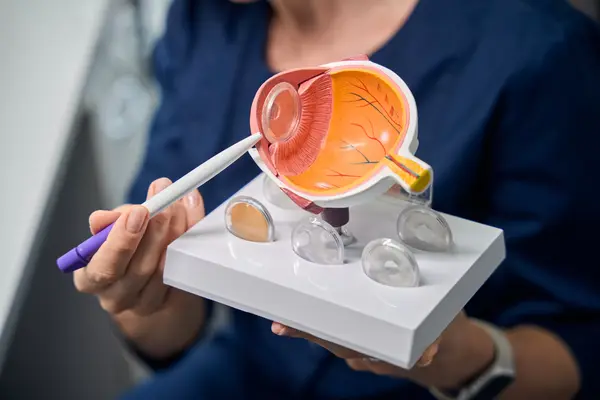
The term “cataract surgery lens implant” refers to an artificial lens or intraocular lens (IOL) that is put in place of the eye’s natural lens once it has been removed due to cataracts. The materials used in making such lenses include acrylic or silicone, which are compatible with the body, thus causing no or minimal rejection problems. The different types of IOLs are: monofocal, multifocal, and toric lenses, the features of which are different and hence are able to deal with different kinds of visual issues. The decision of which lens would be most fitting is made by taking into account the patient’s lifestyle, vision needs, and advice from a cataract surgeon in Singapore. A correctly chosen lens for an IOL will be the guarantee of normal vision and the possible cessation of the use of glasses or contact lenses.
Benefits of Cataract Surgery Lens Implants
There are a multitude of benefits from the use of cataract surgery lens implants. Restoring vision to its original clarity and sharpness is the paramount benefit, and as a result, patients can go back to their normal daily routines, such as reading, driving, and working, without much trouble. Such lenses can also be adjusted to correct presbyopia or astigmatism and thus to have a better general visual function. In principle, the operation is safe, minimally invasive, and usually has a short recovery time. Apart from that, today’s IOLs are equipped with a feature that blocks the ultraviolet light that is the most dangerous to the eyes is blocked thus the eyes are being protected from possible damage in the future. If well chosen, an implant in the lens for cataract surgery can bring about a big positive change in the life of a patient, and thus giving him/her the freedom of their daily affairs and the required courage to tackle them.
Types of Intraocular Lenses
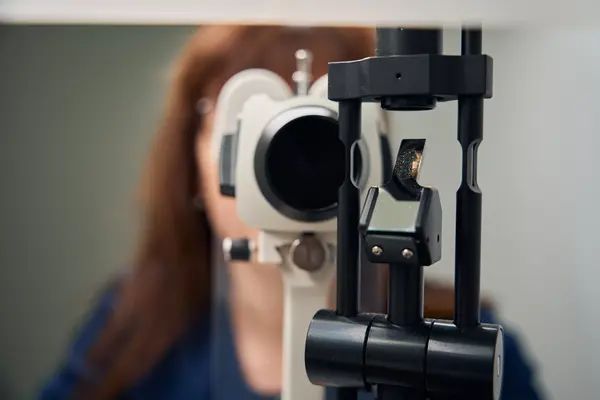
There is more than one type of lens that can be used during cataract surgery in Singapore.
- Monofocal lenses are designed to give one very good vision at a time, like distance vision, so usually, near vision is done with glasses.
- Multifocal lenses allow patients to see clearly from both a distance and up close without the need for a pair of glasses.
- Toric lenses can correct astigmatism and allow better vision without additional corrective lenses.
- Advanced premium IOLs, like accommodating lenses, can change focus like the natural lens, giving a more natural vision.
An ophthalmologist will check the condition of the eye as well as the lifestyle requirements and then decide which is the most suitable lens for a particular patient.
| Type of Intraocular Lens (IOL) | Suitable For | Key Features | Possible Limitations |
|---|---|---|---|
| Monofocal Lens | Patients who emphasize clear distance vision | One focal point vision (most of the time, distance) is very clear, the lens is cheap, and is used in most cases | The most common situation is that you will have to wear reading glasses for close-up work |
| Multifocal Lens | Those who want to be free of glasses | Helps the patient see at multiple distances (near, intermediate, and far) with very little dependence on glasses. | Light glare and halos, which appear around the sources of light, may be in dark rooms |
| Toric Lens | Patients suffering from astigmatism | It not only corrects astigmatism but also makes the vision very clear | The surgery must be very accurate, in that the lens has to be perfectly aligned for the expected outcome |
| Accommodating Lens | Patients who desire more natural vision transitions | Works like a normal eye, which changes the focus from near to far and vice versa | The buyer may still have to use a pair of reading glasses, but only occasionally |
The Surgical Procedure
The surgery for cataract is usually done under local anesthesia and with mild sedation. The doctor operates by making a small cut in the cornea and then inserting instruments to remove the phacoemulsification of the degenerated lens. The IOL is put in the same place where the patient’s original lens was removed. The operation is generally less than 30 minutes, and patients often get their vision back improved within a few days. The postoperative care consists of prevention through eye drops for infection and inflammation, as well as visits for follow-up and monitoring of the healing process and location of the lens.
Risks and Considerations
Even though it is safe to do cataract surgery and lens implants, the possibility of risks existing cannot be ruled out.
- The problems may be infections, inflammations, dislocations of the lens, or the posterior capsule getting opacified.
- Some other very rare complications are such as retinal detachment and raised intraocular pressure.
- It is very important to conduct a thorough check-up before surgery, choose the right IOL, and strictly follow the doctor’s advice after the surgery to really reduce the risks.
- Patients should look for a competent,cataract surgeon in Singapore to be sure of getting the required care and the greatest surgical outcome.
Recovery and Postoperative Care
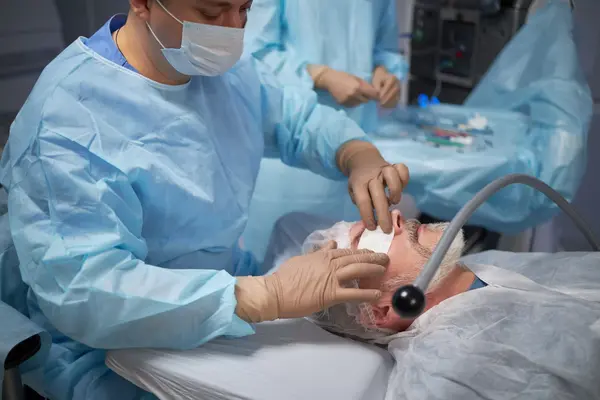
The healing period for cataract surgery is usually short. The patients may feel slight discomfort, the eye may itch, and the vision may be blurred, but these symptoms will subside within a few days after the operation. During the recovery phase, it is also very important to wear the safety eye shield, not to overburden the eye with hard work, and follow the doctor’s prescription concerning the eye drops. Follow-up is done regularly so the ophthalmologist can check that the healing process is progressing well and if any early complications develop. Most of the patients are free to do the normal things within seven days and can see better just after surgery, so the improvement continues for the next weeks, undergoing treatment further.
Conclusion
One of the most innovative and transformative ways to restore lost vision and enjoyment of life is the use of cataract surgery with lens implants. When the once natural lens clouded by age is exchanged with a carefully chosen IOL, patients are free to go out and do what they like without any hindrance. Knowing about different lenses, surgeries, and post-operation care is the step needed to be able to make the right decisions regarding eye health. It is crucial to get the help of a qualified and skilled ophthalmologist in Singapore for this matter, as he is the one who is able to take us to the finishing line of successful surgeries with small risks. Using present-day IOL technology, surgeries for cataracts have become safe, efficient, and long-lasting solutions to vision impairment from aging.