

Ageing Eyes, Fading Focus: Insights into Age-related Macular Degeneration
Age related macular degeneration is a chronic eye disease that mostly affects the elderly and gradually impairs central vision. It is a disease of the macula, the central part of the retina that is responsible for the sharp, detailed vision that is necessary for activities like reading, driving, and recognising faces. With the increase in life expectancy, age related macular degeneration has become one of the most common retinal diseases. Therefore, early understanding and proper monitoring are becoming increasingly important.
Understanding Age-Related Macular Degeneration
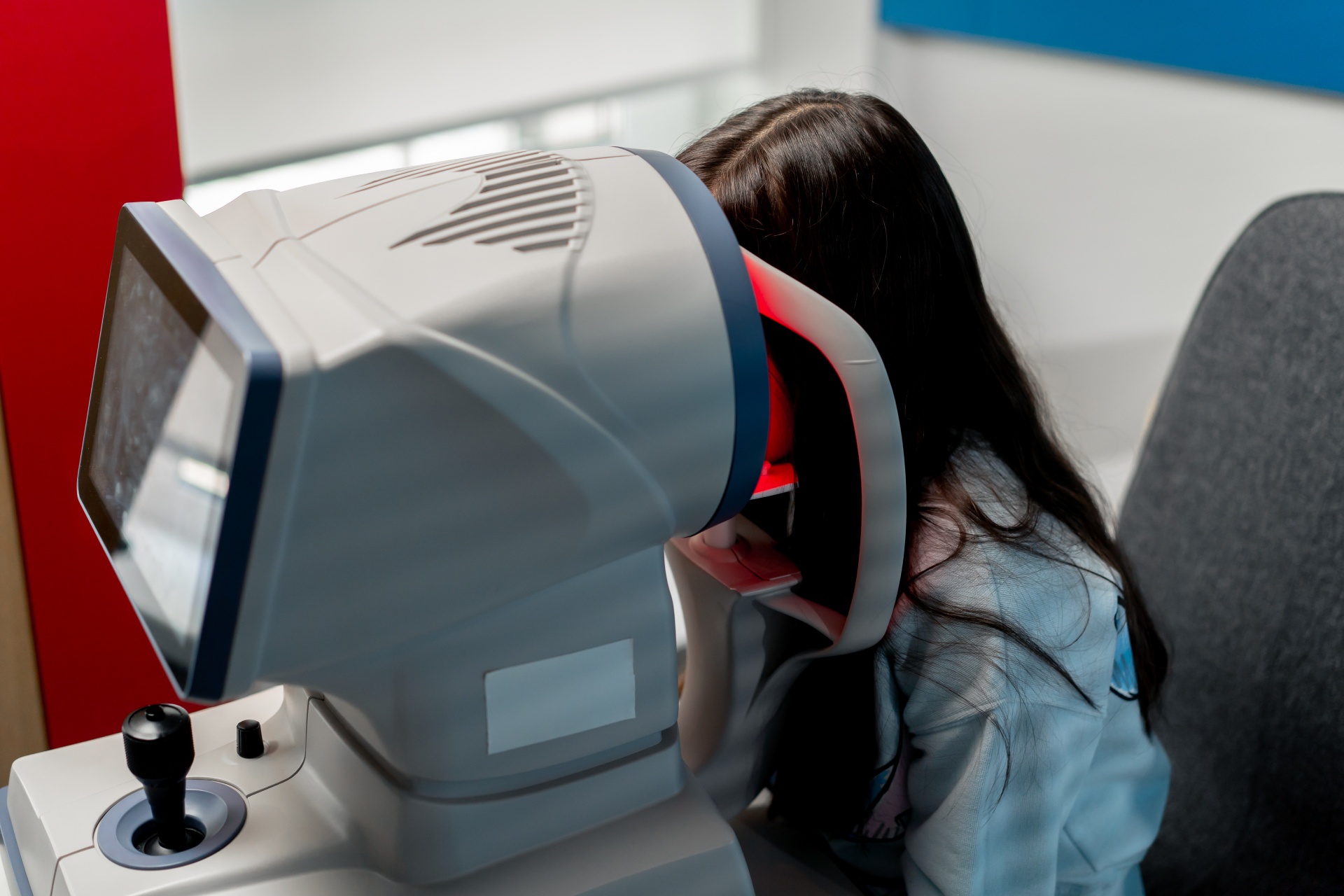
Age related macular degeneration occurs when the macula faces changes associated with ageing that impair its functioning. The condition, which does not usually result in total blindness, can drastically reduce central vision while peripheral vision remains unaffected. The development of macular degeneration is often slow, which means that the first symptoms may be very faint and can easily be missed without the proper eye tests.
How Macular Degeneration Affects Daily Vision
Macular degeneration in Singapore impairs the performance of visual tasks requiring fine detail. People may get blurred or distorted central vision and have difficulty in reading small print or adjusting to areas with low light. In the long run, these visual changes can lead to loss of independence and a reduced quality of life. In macular degeneration cases, patients usually come to the clinic when their daily activities have become significantly affected.
Types of Macular Degeneration
Two major macular degeneration forms exist: dry and wet macular degeneration. The majority of dry macular degeneration cases are known to be slower in development, whereas wet macular degeneration is less common but can cause significant vision loss quickly. It is crucial to understand the type of macular degeneration so that appropriate monitoring and treatment options can be determined.
Risk Factors Associated With Macular Degeneration
Many factors have been associated with the increased risk of age related macular degeneration, including the main factors of ageing, hereditary factors, smoking, and prolonged exposure to ultraviolet light. Some systemic health conditions can also affect the health of the retina. In macular degeneration patients, both lifestyle and genetic factors are usually considered together to determine the total risk.
Importance of Early Detection and Monitoring

Early detection of age related macular degeneration enables closer surveillance and prompt treatment if needed. Regular comprehensive eye examinations are very important in recognising the changes in the retina at the early stage before the loss of vision becomes significant. Monitoring assists in progression tracking and allows for making decisions about eye care based on the information obtained.
Diagnostic Methods Used for Macular Degeneration
Diagnosing macular degeneration in Singapore requires a thorough eye examination, retinal imaging, and visual acuity testing. The use of advanced imaging allows a detailed examination of the macula by the ophthalmologists and also helps in the detection of any subtle changes. The correct diagnosis differentiates macular degeneration from other retinal diseases that have the same symptoms.
Management Approaches for Macular Degeneration
Age related macular degeneration management aims to slow progression, preserve the existing vision, and support overall eye health. Treatments differ based on the type and the stage of the disease. In macular degeneration in Singapore clinics, care is often tailored to the clinical and patient requirements.
Lifestyle Considerations for Eye Health
Keeping the eyes healthy in general is a major part of managing macular degeneration. Lifestyle choices do affect the disease progression and the visual comfort. So patients are typically instructed to adopt habits that promote retinal health in addition to regular clinical monitoring.
Practical Steps That Support Macular Health
- Going to eye checks regularly to enable early detection
- Keeping your health in good shape and managing diseases if you have any
- Not smoking to reduce the chances of retina-related diseases
- Not letting your eyes be exposed to a lot of very strong ultraviolet rays
- Having a well-balanced, healthy diet that is good for the eyes
Differences Between Dry and Wet Macular Degeneration
| Feature | Dry Macular Degeneration | Wet Macular Degeneration |
| Prevalence | More common | Less common |
| Progression | Gradual | Often faster |
| Vision changes | Slowly worsening central vision | Sudden or rapid distortion |
| Retinal changes | Thinning of the macula | Abnormal blood vessel growth |
| Management focus | Monitoring and support | Targeted clinical treatment |
Role of Specialist Care in Macular Degeneration
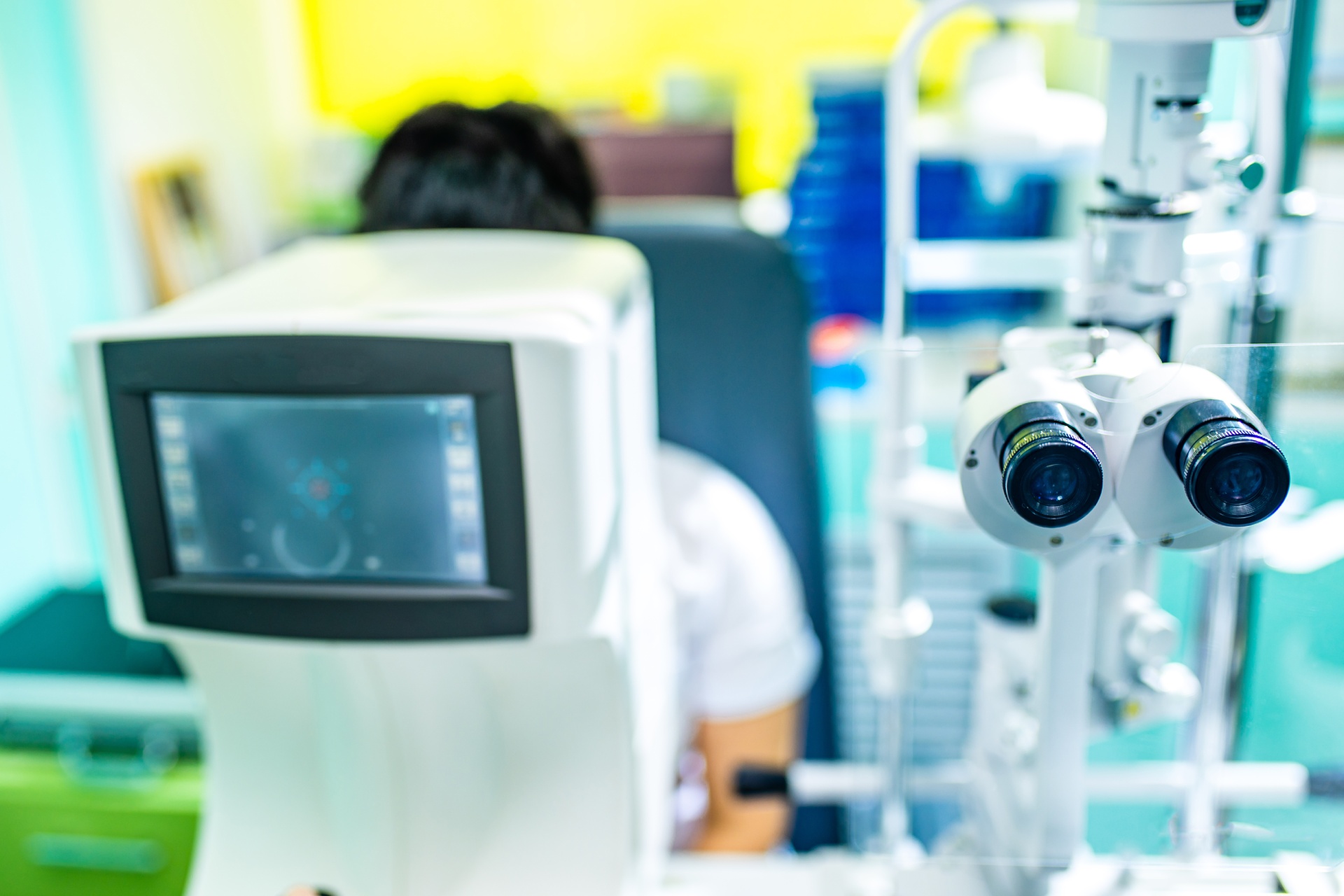
A specialist examination is decisive in the control of age-related macular degeneration, especially when vision changes become more severe or are sudden. An ophthalmologist is able to evaluate disease stage, suggest suitable tests, and help with long-term care. In macular degeneration in Singapore practices, specialist care is the guarantee of correct diagnosis and the right follow-up.
Living with Macular Degeneration
Living with macular degeneration in Singapore often means making changes to one’s daily routine and the way one uses their vision. Many individuals find visual aids, better lighting, and supportive methods helpful in maintaining their independence. Being informed and receiving reassurance are also significant factors that facilitate patients’ adaptation to their vision changes over time.
Conclusion
Age-related macular degeneration is a typical age-related eye condition that has the potential to drastically alter central vision if it is not kept under control. Understanding the progression of macular degeneration, identifying the symptoms at the earliest stage, and taking the essential step of consulting a specialist without delay are the main safeguards to preserving vision. With routine eye check-ups, correct treatment, and a healthy lifestyle, people with macular degeneration in Singapore can maintain visual stability and have a good quality of life during ageing.